

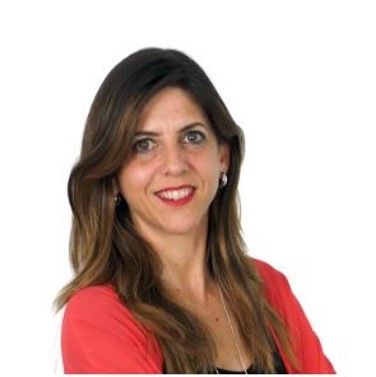
Más de 20 años de experiencia profesional en el mundo de la consultoría en el área de sostenibilidad, habiendo trabajado en consultoras como PwC, G-Advisory (anteriormente denominada Garrigues Medio Ambiente) y Grupo Galgano. Durante estos años, he trabajado con clientes del sector público y especialmente en el sector privado, en empresas nacionales y multinacionales de múltiples sectores (asegurador, construcción, energético, consumo y distribución, industrial, servicios, real estate y agroalimentario).
Siempre he creído que la sostenibilidad/ESG aporta valor añadido en la gestión de las compañías. Por tanto, desde el comienzo de mi carrera profesional, mi foco ha estado en el desarrollo de proyectos que ayuden a las empresas a ser más sostenibles, creando valor para sus empleados y el entorno en el que operan (medio ambiente y sociedad). Actualmente continúo desarrollando este tipo de proyectos, desde la perspectiva de dirección y gestión de equipos como Directora del área de Medio Ambiente y Sostenibilidad de Euro-Funding.
Coordinating EU collaborative projects
Coordinating EU collaborative projects: when execution marks the difference Lucía Duque Teva( Project Manager European Funds )Settings Coordinating a European collaborative project goes far beyond convening meetings or collecting deliverables….

EU Added Value in LIFE Proposals
EU Added Value in LIFE Proposals Fernando Gómez( Technical Manager – European Funds )Fernando Gómez es Technical Manager – EU Projects en Euro-Funding desde 2020, con experiencia coordinando propuestas europeas…
The vision of the EAIC on the future European budget
The vision of the EAIC on the future European budget Marie Latour( European Affairs Director )Actualmente, como Director de Asuntos Europeos en Euro-Funding, cuento con más de 14 años de…