


Space & defence: enhancing dual-use satellite technologies in EDF 2025
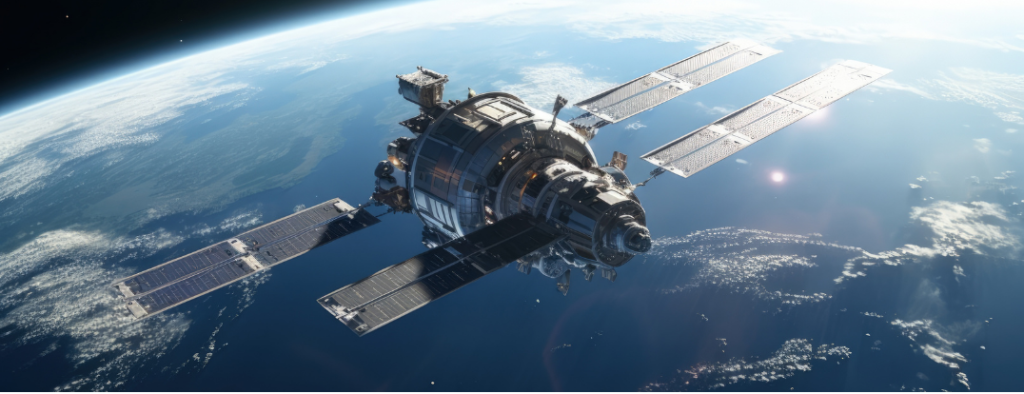
The European Defence Fund (EDF) 2025 continues to drive innovation in space technologies, recognizing the critical role of satellites in both military and civilian applications. The modern world relies heavily on space-based capabilities for communication, navigation, surveillance, and disaster response, making the intersection of space and defence a vital area for investment. Through EDF 2025, the EU is advancing dual-use satellite technologies that bolster European security while enhancing civil infrastructure and commercial industries.
The strategic importance of space technologies
Satellites are fundamental to European security and autonomy. They provide critical intelligence, ensure encrypted communications, and support military operations in remote areas. However, their utility extends beyond defence. Civilian sectors, including telecommunications, transportation, agriculture, and environmental monitoring, benefit immensely from innovations in space technology.
As Europe seeks to strengthen its position in the global space race, EDF 2025 funding is prioritizing resilient, secure, and advanced satellite capabilities. These investments will enhance both the European Defence Technological and Industrial Base (EDTIB) and the EU’s ability to respond to crises, whether military conflicts or natural disasters.
The EDF also seeks to strengthen the participation of innovative SMEs and start-ups within the New Space economy, fostering a dynamic and competitive European space sector.
Key satellite innovations with dual-use potential
Secure and resilient satellite communication systems
Earth observation for security, climate monitoring, and agriculture
Reliable and secure communication is essential for both military operations and civil applications. EDF 2025 is funding the development of next-generation satellite communication (SatCom) systems, ensuring encrypted, interference-resistant, and high-speed data transmission.
These technologies are crucial not only for defence and crisis management but also for rural broadband expansion, disaster relief coordination, and maritime navigation. Enhanced SatCom capabilities will improve global connectivity, ensuring uninterrupted communication in emergency situations.
EDF funding is supporting the development of next-generation satellite communication (SatCom) systems, including those incorporating quantum communication technologies, ensuring encrypted, interference-resistant, and high-speed data transmission.
EDF 2025 is investing in Earth observation technologies, which provide real-time imaging and data analysis to support defence intelligence and security operations. These satellite-based systems enable precise border surveillance, maritime monitoring, and environmental threat detection.
Beyond defence, these innovations play a crucial role in climate monitoring, disaster management, and precision agriculture. Satellites tracking deforestation, air pollution, and soil health can help policymakers and farmers make informed decisions, supporting sustainability efforts across Europe.
EDF 2025 is investing in Earth observation technologies, which provide real-time imaging and data analysis to support defence intelligence and security operations, complementing programs such as Copernicus.
AI-enhanced satellite monitoring and data processing
Anti-jamming and cybersecurity for
space assets
Artificial intelligence is revolutionizing how satellite data is collected, analysed, and utilised. EDF 2025 is promoting AI-driven space technologies that enhance automated threat detection, anomaly analysis, and predictive analytics in satellite imagery.
In the civilian sector, AI-powered satellite monitoring aids in urban planning, infrastructure development, and natural disaster forecasting. By improving image recognition and data processing speeds, these AI-driven tools support a broad range of applications, from early warning systems for wildfires to real-time tracking of supply chains.
EDF 2025 is promoting AI-driven space technologies that enhance automated threat detection, anomaly analysis, and predictive analytics in satellite imagery, including edge computing in space.
As space infrastructure becomes a target for cyberattacks and electronic warfare, EDF 2025 is prioritizing anti-jamming and cybersecurity solutions to protect satellite networks from interference and hacking attempts.
These advancements will safeguard not only military satellite systems but also commercial satellite communications, ensuring the security of global financial transactions, air traffic control systems, and emergency response networks. Strengthening cybersecurity in space is a crucial step in maintaining European technological sovereignty.
DF 2025 is prioritizing anti-jamming and cybersecurity solutions, including Space Situational Awareness (SSA) and Space Traffic Management (STM), to protect satellite networks from interference and hacking attempts.
Strengthening Europe’s position in the global space race
The dual-use potential of EDF 2025-funded space technologies underscores the EU’s commitment to strategic autonomy and resilience. By investing in cutting-edge satellite innovations, Europe is ensuring that its space infrastructure remains competitive, secure, and capable of supporting both defence missions and civilian services.
As funding calls open under EDF 2025, organisations specializing in aerospace, satellite communications, AI, and cybersecurity should explore opportunities to contribute to this next-generation space ecosystem. The synergies between military and civilian applications make this an exciting time for the European space industry.
Aligned with the EU Space Strategy, EDF investments aim to ensure European leadership in critical space technologies. By investing in cutting-edge satellite innovations, Europe is ensuring that its space infrastructure remains competitive, secure, and capable of supporting both defence missions and civilian services.
At Euro-Funding we are experts in EU programmes, we can help you check your project validity, scope and find the right partners to maximise your chances of success.
LATEST NEWS

Coordinating EU collaborative projects
Coordinating EU collaborative projects: when execution marks the difference Lucía Duque Teva( Project Manager European Funds )Settings Coordinating a European collaborative project goes far beyond convening meetings or collecting deliverables….

EU Added Value in LIFE Proposals
EU Added Value in LIFE Proposals Fernando Gómez( Technical Manager – European Funds )Fernando Gómez es Technical Manager – EU Projects en Euro-Funding desde 2020, con experiencia coordinando propuestas europeas…

The vision of the EAIC on the future European budget
The vision of the EAIC on the future European budget Marie Latour( European Affairs Director )Actualmente, como Director de Asuntos Europeos en Euro-Funding, cuento con más de 14 años de…
